NATO Phonetic Alphabet Translator
Spell anything instantly with the NATO phonetic alphabet: type a word and get its official code-word spelling (“hello” becomes Hotel Echo Lima Lima Oscar), or paste a phonetic spelling and decode it back to text. Letters and digits included, plus the full A–Z reference chart and a practice mode to memorize it. Free and instant, right in your browser.
Words in your text are separated by a double space in the phonetic spelling.
What is the code word for:
u
Common alternates are accepted too (Alpha, Juliet, Niner). Official spellings are shown in the chart.
Teaching with it, or recommending it to readers? Link it, or drop the live tool straight into your page— it's free either way, and no attribution beyond the link is required.
Link (HTML)
<a href="https://www.puzzlepage.app/nato-phonetic-alphabet-translator">NATO Phonetic Translator — PuzzlePage</a>Embed (iframe)
<iframe src="https://www.puzzlepage.app/embed/tools/nato-phonetic-alphabet-translator" title="NATO Phonetic Translator — PuzzlePage" width="100%" height="300" style="border:1px solid #e5e7eb;border-radius:8px" loading="lazy"></iframe>What Is the NATO Phonetic Alphabet?
The NATO phonetic alphabet — officially the ICAO Radiotelephony Spelling Alphabet — is the standard set of code words used to spell letters unambiguously over radio and telephone. Adopted in its final form in 1956 after years of intelligibility testing, it assigns each letter a word chosen to sound distinct from every other word in the set, even through static, engine noise, or a heavy accent: Alfa, Bravo, Charlie, Delta, and so on through Zulu. Pilots, air traffic controllers, the military, ship crews, emergency dispatchers, and ham radio operators all use it daily — and it is just as handy for reading a confirmation code to an airline agent over a bad connection.
Why “Alfa” and “Juliett” Are Spelled That Way
The two odd-looking spellings are deliberate. The alphabet was designed for international use, so the spellings had to steer every reader — whatever their first language — toward the same pronunciation:
- Alfa, not Alpha: in many languages the letter pair “ph” is not read as an f sound, so ICAO replaced it with a plain f that everyone pronounces the same way.
- Juliett, not Juliet: in French a final single “t” is silent, so the alphabet doubles it to make sure the t is spoken.
How the Digits Are Spoken
Digits use the ordinary words Zero through Nine in writing. Over the radio, a few get special pronunciations to survive noisy channels: three is spoken tree, five is fife, and nine is niner(so it cannot be confused with the German “nein” or with five). The practice mode accepts those spoken variants as correct answers.
How to Use the Translator
- Type your text — every letter and digit becomes its code word instantly.
- Swap to decode — paste a phonetic spelling and get the plain text back.
- Copy the result for emails, chat, or checklists.
- Drill with practice mode until you can spell without looking at the chart.
Frequently Asked Questions
What is the NATO phonetic alphabet?
The internationally agreed set of code words — Alfa, Bravo, Charlie, and so on — used to spell letters unambiguously over radio and phone. Officially it is the ICAO Radiotelephony Spelling Alphabet, adopted in 1956.
Why Alfa and not Alpha?
So non-English speakers pronounce it correctly: in many languages “ph” is not read as an f. Juliett gets a double t for the same reason — a final single t is silent in French.
Does the translator handle numbers?
Yes — digits use Zero, One, Two, Three, Four, Five, Six, Seven, Eight, Nine. Radio pronunciations like niner are accepted in practice mode.
Can I convert a phonetic spelling back to text?
Yes. Paste code words like “Hotel Echo Lima Lima Oscar” and the tool decodes them case-insensitively back to plain text.
What is the practice mode?
It shows a random letter or digit; you type its code word and build a streak. A few rounds a day is enough to memorize the full alphabet.
Who uses the NATO phonetic alphabet?
Aviation, the military, maritime services, police and emergency dispatchers, ham radio operators — and anyone spelling a booking code over a noisy phone line.
Is this translator free?
Yes, completely free with no signup. It runs entirely in your browser.
Try another free translator
From our own shelf
Every title- She Spoke WondersLarge Print Inspirational Cryptograms for Women

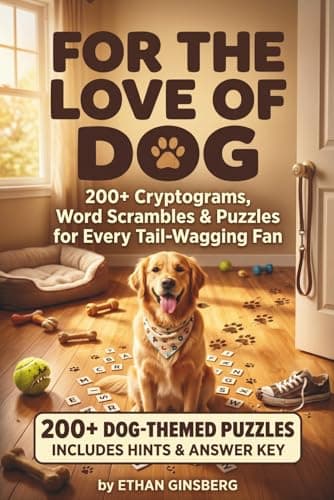
- For the Love of Dog200+ Cryptograms, Word Scrambles & Puzzles for Every Tail-Wagging Fan
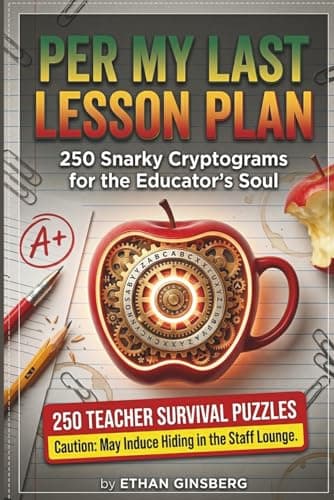
- Last Lesson PlanCryptograms for Aggressively Dedicated Teachers
These are Amazon links, and we earn a small commission if you buy through them — at no extra cost to you. They are our own books.
Every free PuzzlePage tool
All free, no signup, and they run in your browser.
Word Solvers & Finders
Daily Game Solvers & Helpers
Logic Puzzle Solvers
Cipher Tools & Decoders
Translators & Converters
Word Lists & Dictionary