Exit Ticket Maker
Type today's lesson and print a sheet of exit slips, two to six a page, with the prompts already written if you want them.
Eight formats that actually get used
Real slips. Click one to start from it.
The eight formats, and when each earns its slip
- 3-2-1 — The general-purpose one. Works in any subject, on any day.
- Learning target check — Did today's objective land? Gives you tomorrow's grouping.
- Muddiest point — The single most useful question you can ask at the end of a hard lesson.
- Show your work — One problem, worked. The maths version of an exit ticket.
- Traffic light self-check — Ten seconds to fill in, sorts the class into three piles at the door.
- Vocabulary check — Word, meaning, and used in a sentence — the three-part test of knowing a word.
- Bell-ringer / do-now — The start of the lesson rather than the end. Same slip, other end of the hour.
- Reading response — Text evidence, in the smallest form that still requires it.
What to do with thirty of them
Sort into three piles at the door — got it, nearly, not yet — and do not write on any of them. The piles are tomorrow’s grouping and that is the entire return on the exercise. An exit ticket that gets marked and handed back is a quiz, costs an evening, and arrives too late to change what you teach next.
Why they are not graded
The moment a slip counts, a student stops telling you what they do not understand. The muddiest-point ticket in particular only works if answering it honestly is free. Keep the gradebook out of it and you get real information for three minutes of class time.
A term of them, already printed
The Exit Ticket & Bell-Ringer Pack is all eight formats at every layout, ready to photocopy from a binder for the rest of the year. This maker stays free. More at teacher resources.
We publish puzzle books too
Every titlePaperbacks we wrote and printed ourselves — including one for people who teach. Nothing to do with the makers above; they stay free.
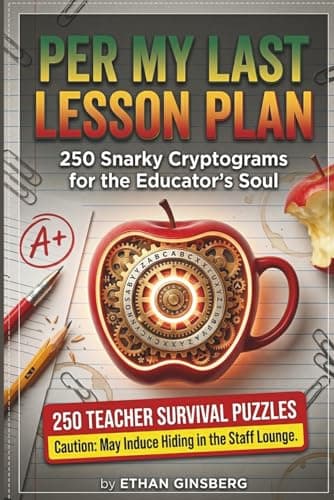
- Last Lesson PlanCryptograms for Aggressively Dedicated Teachers
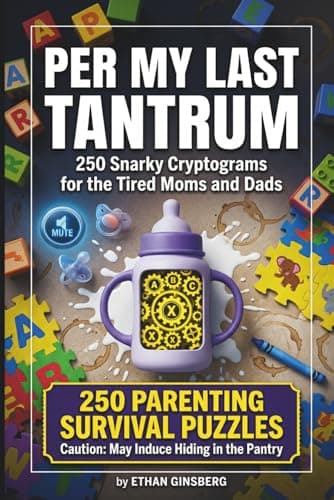
- Per My Last TantrumSnarky Cryptograms for the Mental Load
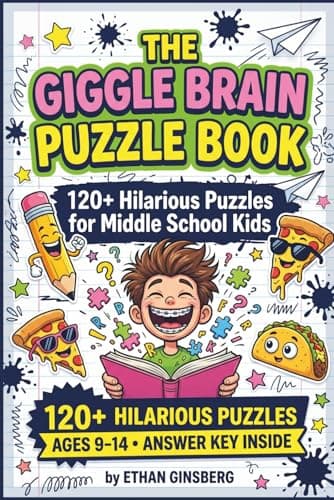
- The Giggle Brain Puzzle Book120+ Hilarious Puzzles for Middle School Kids — Cryptograms, Word Fill-Ins & Word Scrambles
These are Amazon links, and we earn a small commission if you buy through them — at no extra cost to you. They are our own books.
Frequently Asked Questions
What is an exit ticket?
A short slip students complete in the last two or three minutes of a lesson and hand you on the way out. It is the cheapest formative assessment there is: you read thirty of them in four minutes and you know who to sit with tomorrow. It is not graded and it does not go in the gradebook.
Which exit ticket format should I use?
3-2-1 is the general-purpose one and works in any subject. Use the learning target check when you want tomorrow's grouping, the muddiest point after a hard lesson, show-your-work for maths, and the traffic light when you have ten seconds rather than three minutes. The reading response is the smallest form that still requires text evidence.
How many exit tickets fit on a page?
Two, three, four or six. Four to a page is the usual choice — a class of thirty is eight sheets. Six is the smallest that still leaves room to write; anything denser produces slips nobody can answer on.
Can I put today's lesson on the slip?
Yes. Whatever you type as the prompt is printed on every slip on the sheet, so "Today: solving two-step equations" or a specific question appears on all of them. Leave it blank and the slip prints the template's own generic prompt.
What is a bell ringer and how is it different?
The same slip at the other end of the hour. A bell ringer or do-now is handed out as students arrive so the first three minutes are settled work rather than a scramble. The bell-ringer template drops the name line and gives you the whole slip as ruled space.
Is it free?
Yes — every format, every layout, up to 60 sheets in one file. Free PDFs carry a small QR code and credit line in the corner; a $2.99 day pass or Plus removes them and unlocks custom fonts, colours and a running header.
Last updated .
Every free teacher tool
All free, no signup, and they run in your browser.
Teacher Resource Makers
Word Lists & Dictionary
Related guides
All guidesExit Ticket Template: Printable Exit Slips, 2 to 6 a Page
Free exit ticket template maker with eight formats, from 3-2-1 to muddiest point. Type today's prompt once and print a page of exit slips with cut guides.
7 min readFree Bubble Sheet Generator for Teachers to Grade Fast
A free bubble sheet generator that prints clean A to E answer sheets in seconds. Pick your question count and choices, then grade a full class in minutes.
13 min readHow to Sell Puzzle Books on Teachers Pay Teachers in 2026
Step-by-step guide to sell puzzle books on Teachers Pay Teachers: Basic vs Premium fee math, upload steps, pricing, bundles, licensing and honest seller data.