NYT Mini Crossword Tips: 7 Ways to Solve It Faster
These NYT Mini Crossword tips help you finish the 5 by 5 grid faster, from short entries to crossing letters, plus a free crossword maker to practice on.

On this site: Make a free crossword·Browse 100+ free printables·Play today's puzzles
The NYT Mini Crossword is a friendly 5 by 5 grid that lands free every day, and a good round can be over in about a minute. These NYT Mini Crossword tips are the habits I reach for when I want a clean solve without stalling on a blank square.
The real trick is order. Fill the easy short words first, then let the crossing letters carry you through the harder clues you skipped.
📌 Key Takeaways
- The Mini is a 5 by 5 crossword, published free daily, and many solvers finish it in about a minute.
- Solve the short entries you are sure of first, then read the crossing letters to crack the rest.
- Begin with fill-in-the-blank and clear factual clues before the wordplay ones.
- Check tense and singular versus plural so a short answer actually fits.
- Leave the tricky center square for last and circle back once the edges are full.
 1:02
1:02What are the best NYT Mini Crossword tips?
The fastest NYT Mini Crossword tips all come down to sequence: answer the clues you know cold, then mine their letters. Every filled square hands you a free clue for the word that crosses it.
Short answers are your anchors. A three-letter or four-letter entry you are confident about will often reveal the first or last letter of two other words at once.
- Sweep for gimmes. Read all five across clues and all five down clues once, and pencil in only the ones you are certain of.
- Lean on crossings. When a clue stumps you, look at the letters already sitting in that answer from words you solved.
- Watch agreement. A plural clue usually ends in S, and a past-tense clue often ends in D, which narrows the options fast.
- Skip and return. If a clue does not click in a few seconds, move on and let the grid fill in around it.
Pro Tip
Start in a corner rather than the center. Corner squares belong to only two words, so a confident corner answer gives you the cleanest set of crossing letters to build from.
Like this? We send 10 of these every month.
Free printable puzzles, answer keys included — same quality as the ones in this post.
One email. Unsubscribe anytime.
How the Mini Crossword works
The Mini is a compact 5 by 5 crossword with a handful of across and down clues, and it refreshes free every single day. The full-size New York Times crossword is a subscription, so the Mini is the free on-ramp most people meet first.
Because the grid is so small, one wrong guess spreads quickly across three or four other answers. That is why confirming each short word with its crossing letters matters more here than it does on a big weekend grid.
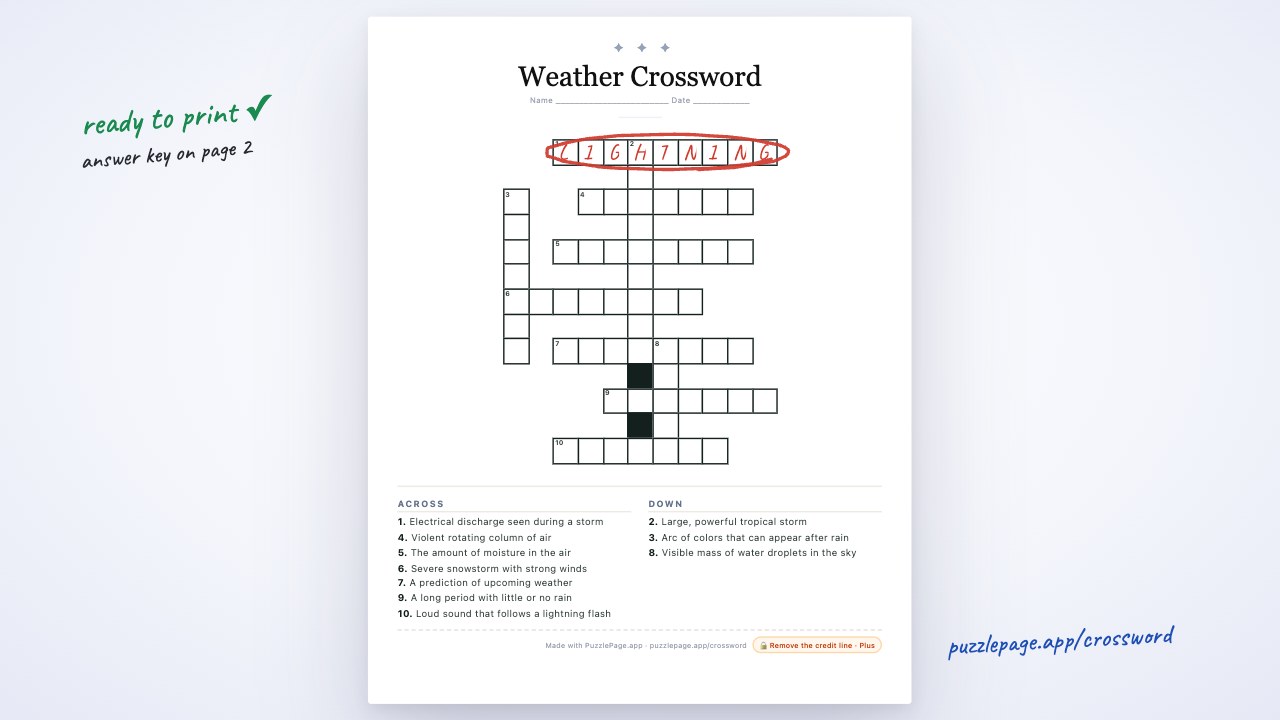
You can practice the same shape any time with a maker. Building your own board on the free crossword maker is a quick way to learn how compact clues interlock.
How long should the Mini Crossword take?
Most days the Mini takes about a minute, and many regular solvers land well under 60 seconds. There is no penalty for going slower, so treat any finish as a win while you build speed.
I timed myself for a week to see if these tips held up. My average dropped from about 90 seconds to 41 seconds once I stopped forcing the clues in strict order and started chasing crossings instead.
Pro Tip
Save the tricky center square for last. Once every edge is filled, the middle answer is usually boxed in by four crossing letters and almost solves itself.
Which clue should you solve first?
Solve the shortest clue you are sure of first, and favor fill-in-the-blank or plain factual clues over wordplay. Those give you real letters with almost no risk of a wrong guess.
Once a couple of anchors are down, the puzzle becomes a chain reaction. If you want the official daily grid, the puzzles live on the New York Times crosswords page, and you can warm up your pattern skills elsewhere first.
- Read for the gimme. Scan for a clue with one obvious answer, like a fill-in-the-blank phrase.
- Lock the crossings. Use each new letter to confirm or reject the words that pass through it.
- Finish the middle. Come back to the center square once the outer ring is complete.
Grid puzzles reward the same eye all around. For more letter practice, try the word fill-in maker to see how crossing entries lock together, or a quick word search maker to sharpen fast scanning.
Common mistakes that slow Mini solvers down
The slowest solves usually come from trying to answer the clues in order rather than in the order they are easiest. A blank square in slot one can hold you up while three easy answers sit ignored at the bottom.
The next big drag is committing to a guess before the crossings confirm it. On a grid this small, one confident but wrong letter can send you rewriting three other answers.
- Forcing the sequence. Jump to whatever clue you know, not the one numbered next.
- Ignoring the crossings. Read the letters already placed before you fill a square, every time.
- Skipping tense checks. A plural or past-tense clue narrows the ending, so use it.
- Overthinking short words. A three-letter answer is rarely a trick, so take the obvious one.
- Starting dead center. The middle square touches the most answers, so it is the hardest first move.
Fixing these is mostly about patience with the order. Once you trust the crossings, the same clues that felt hard start solving themselves in a chain.
Speed also builds from reps, and a compact grid is a friendly place to practice. Warm up with a fresh board from the crossword maker a few days in a row and the patterns start to feel familiar.
Frequently Asked Questions
Is the NYT Mini Crossword free?
Yes. The NYT Mini Crossword is published free every day, while the full-size daily crossword sits behind a subscription, which is why the Mini is the version most new solvers start with.
How long should the Mini Crossword take?
About a minute is a healthy target, and many regular solvers finish in under 60 seconds. Speed comes with practice, so there is no reason to rush a fun, low-pressure grid.
What clue should I solve first?
Start with the shortest clue you are certain of, ideally a fill-in-the-blank or a plain factual one. Those hand you reliable crossing letters that open up the surrounding answers.
How do I get better at crosswords?
Solve a little every day and lean on crossings, and these NYT Mini Crossword tips will carry over to bigger grids. Building your own puzzles on a free crossword maker also teaches how clues interlock.
Live demo
Make your own crossword right here
Swap in your own words (a spelling list, residents' names, a unit's vocabulary) and press Generate. The full maker adds answer keys, size options and PDF export.
More you can make here
One puzzle is the start. Here is the rest of the kit.
 New
NewWorksheet Builder
Put a word search, a cryptogram and a scramble on one page, or build a whole themed packet. Prints with answer keys.
Build a worksheet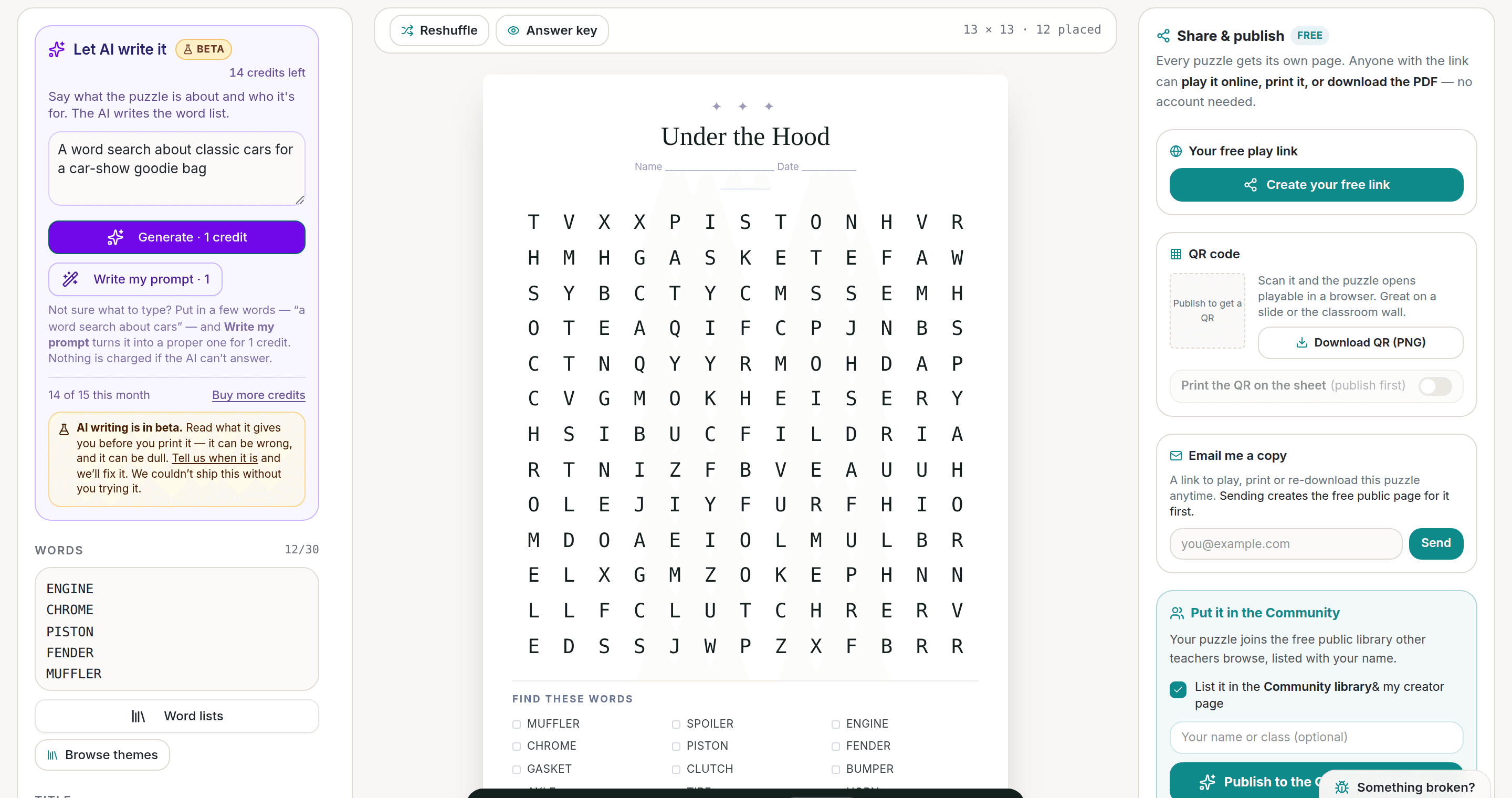
AI Puzzle Generator
Type a topic, get a themed word list and a finished puzzle. Premium also removes the footer credit and adds Word export.
Try the AI generator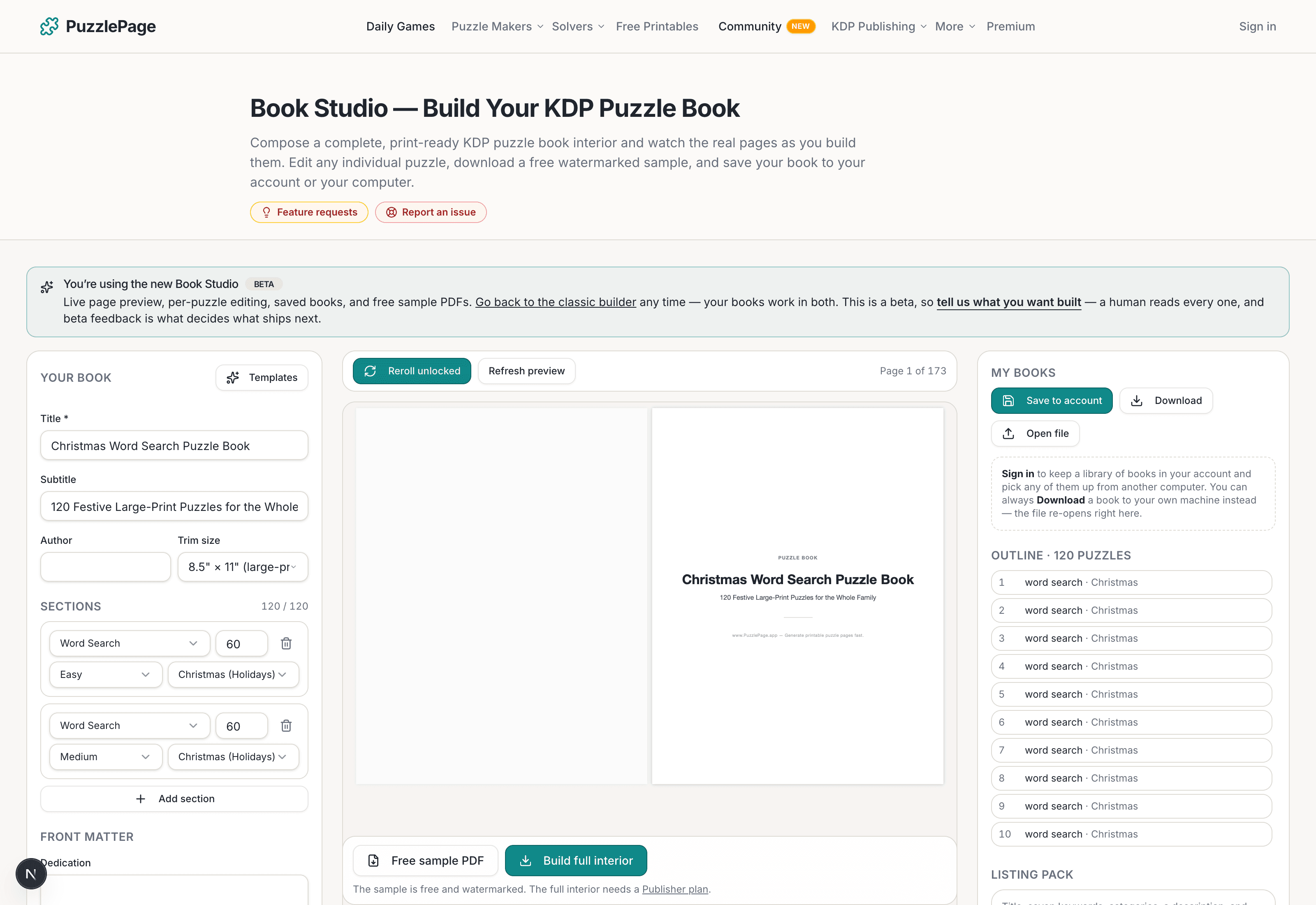
KDP Book Studio
Lay out a full puzzle book for Amazon KDP: templates, trim sizes, page checks and a cover designer.
Start a puzzle book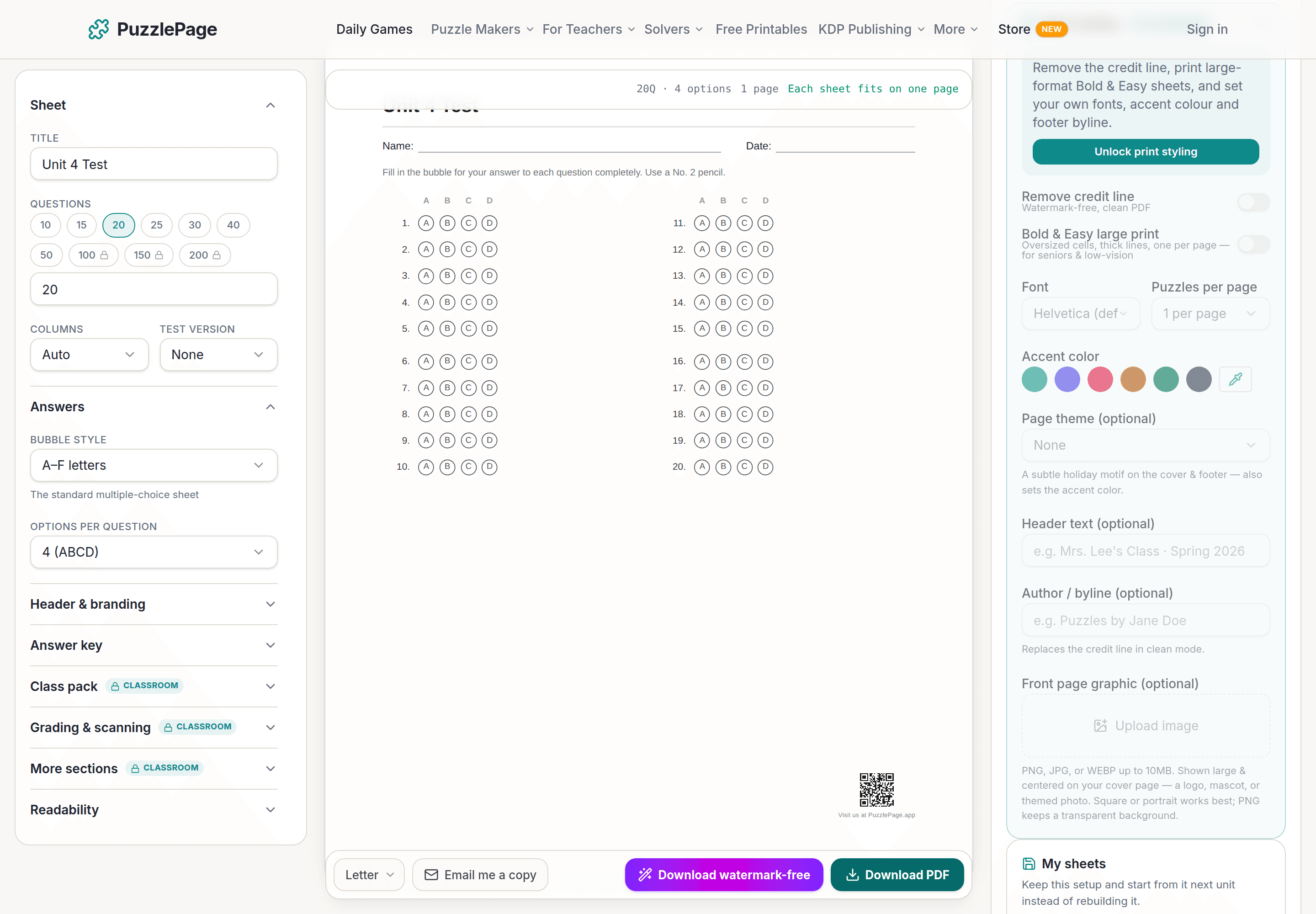
Bubble Sheet Studio
Answer sheets for any test length, with sections, versions, student ID grids and a matching answer key.
Make a bubble sheetPremium removes the footer credit, adds Word export and custom styling across every maker.
See plans →Free daily games
Need a two-minute break? Today's puzzles are live.
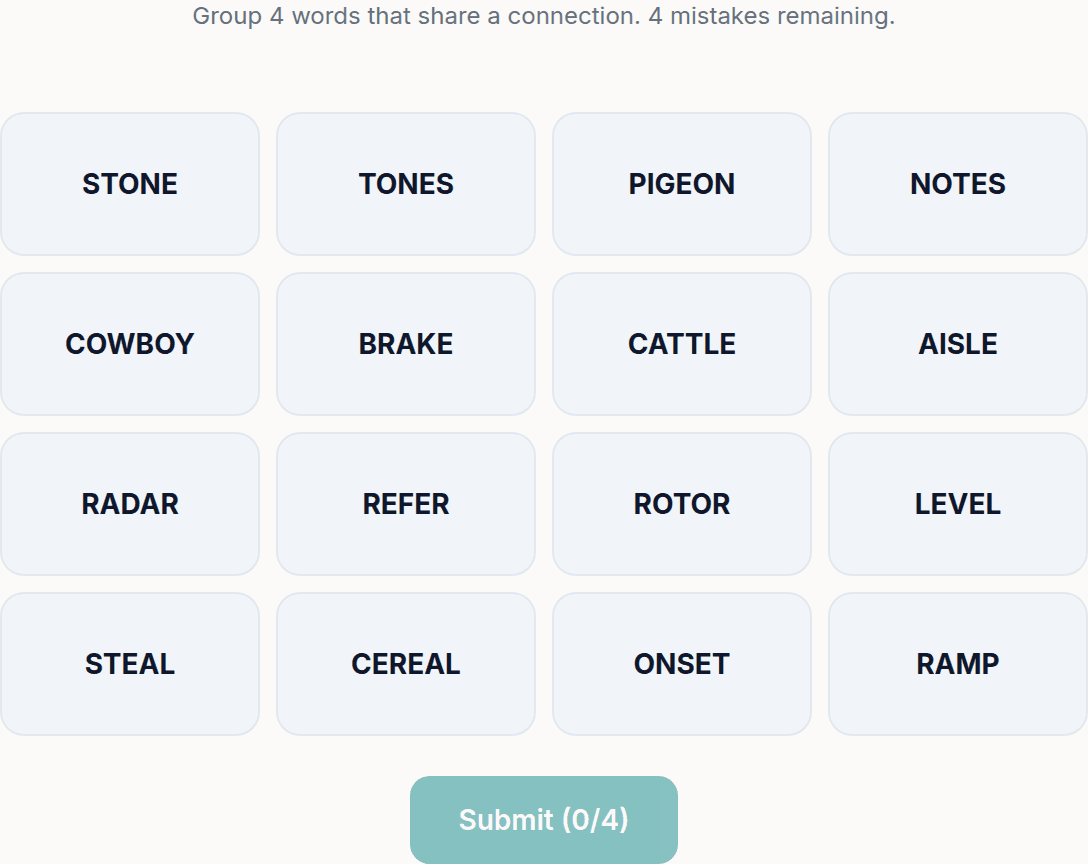
A new Sudoku and a new Connections board every day. No download, no account.
Keep reading
Get 10 free puzzles
Get the free 10-puzzle pack
Enter your email and we'll send you 10 print-ready puzzles with answer keys, plus a heads-up when we publish new generators and seasonal puzzle packs. Same quality as the ones on this page.
Roughly two emails a month. No spam, unsubscribe anytime.
Enjoyed this? Share the puzzle on X
Like puzzles like this? Follow on Pinterest for a new one every day.